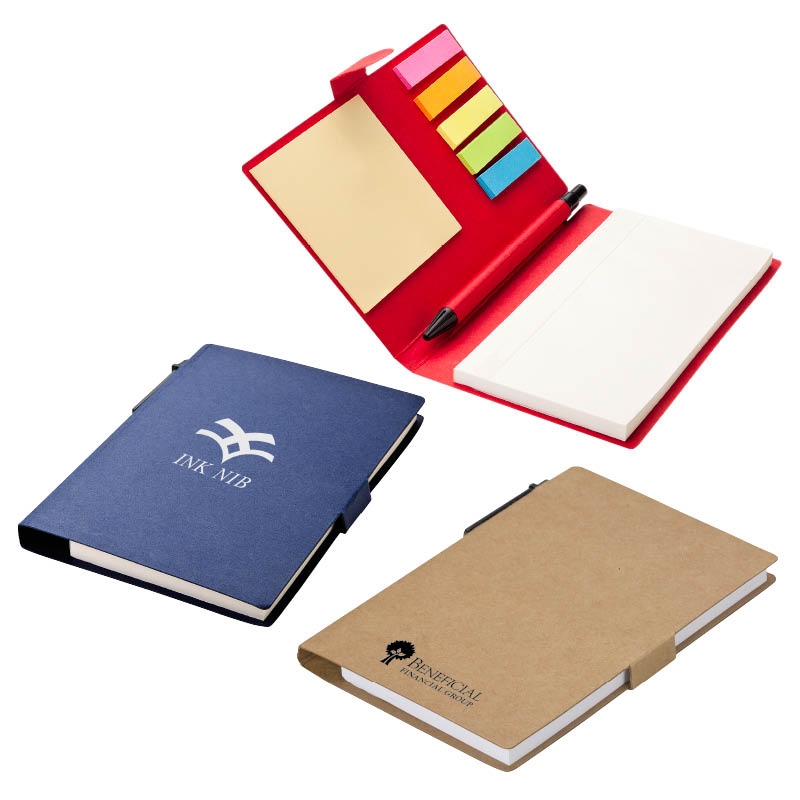
Promotional merchandise,
promotional items,
promotional products,
promotional gifts, or
advertising gifts, sometimes nicknamed
swag or
schwag, are articles of merchandise (often branded with a
logo) used in marketing and communication programs. They are given away to promote a company,
corporate image,
brand, or event. These items are usually imprinted with a company's name, logo or
slogan, and given away at
trade shows,
conferences, and as part of
guerrilla marketing campaigns.
The first known promotional products in the
United States are
commemorative buttons dating back to the election of
George Washington in 1789. During the early 19th century, there were some advertising
calendars,
rulers,
and wooden specialties, but there wasn’t an organized industry for the
creation and distribution of promotional items until later in the 19th
century.
Jasper Meeks, a printer in
Coshocton, Ohio,
is considered by many to be the originator of the industry when he
convinced a local shoe store to supply book bags imprinted with the
store name to local schools. Henry Beach, another Coshochton printer and
a competitor of Meeks, picked up on the idea, and soon the two men were
selling and printing bags for
marbles,
buggy whips, card cases,
fans, calendars, cloth caps,
aprons, and even hats for
horses.
[1]
In 1904, 12 manufacturers of promotional items got together to found the first
trade association for the industry. That organization is now known as the
Promotional Products Association International or PPAI, which currently has more than 7,500 global members.
[2] PPAI represents the promotional products industry of more than 22,000 distributors and approximately 4,800 manufacturers.
The UK & Ireland promotional merchandise industry formally emerged as corporate
marketing became more sophisticated during the late 1950s. Before this companies may have provided occasional
gifts,
but there was no recognised promotional merchandise industry. The real
explosion in the growth of the promotional merchandise industry took
place in the 1970s. At this time an ever increasing number of corporate
companies recognised the benefits gained from promoting their
corporate identity,
brand or product, with the use of gifts featuring their own logo. In
the early years the range of products available were limited; however,
in the early 1980s demand grew from distributors for a generic
promotional product
catalogue they could brand as their own and then leave with their corporate customers.
In later years these catalogues could be over-branded to reflect a
distributor’s corporate image and distributors could then give them to
their
end user
customers as their own. In the early years promotional merchandise
catalogues were very much sales tools and customers would buy the
products offered on the pages.
In the 1990s new catalogue services emerged for distributors from
various sources. In the nineties there was also the creation of
‘Catalogue Groups’ who offered a unique catalogue to a limited
geographical group of promotional merchandise distributor companies.
Membership of a Catalogue Group could also offer improved buying terms, a
network of fellow distributor companies, & provide other support
services.
Up until the 1990s the industry had a peak season in which the
majority of promotional products were sold. The season featured around
Christmas & the giving of gifts. This changed significantly in the early 1990s as Christmas gifts became less appropriate in a
multicultural
Britain. Corporate companies were also becoming more inventive in their
marketing and were now using promotional merchandise throughout the
year to support the promotion of brands, products & events. In the
early 21st century the role of a promotional merchandise catalogue
started to change, as it could no longer fully represent the vast range
of products in the
market place.
By 2007 catalogues were being mailed to targeted customers lists,
rather than the blanket postal mailings that had taken place before. The
catalogue had now become seen more as a ‘
business card’
demonstrating the concept of what a company did, rather than a critical
sales tool. In 2009 published results from research involving a
representative group of distributor companies, which indicated the usage
of
hard copy catalogues was expected to fall up to 25% in 2010.
Distributor companies are experts in sourcing creative promotional
products. Traditionally, to ensure that they had an effective
manufacturer network, they kept themselves aware of the trade product
ranges available by attending exhibitions across the world & from
mailings received from manufacturers themselves. In 2004 the way the
trade sourced promotional products began to change with the launch an
online trade sourcing service which united distributors with
manufacturers worldwide. This service is purely for vetted trade
promotional merchandise distributor companies & is not available to
corporate end user companies.
By 2008 almost every distributor had a website demonstrating a range
of available promotional products. Very few offer the ability to order
products online mainly due to the complexities surrounding the processes
to brand the promotional products required.